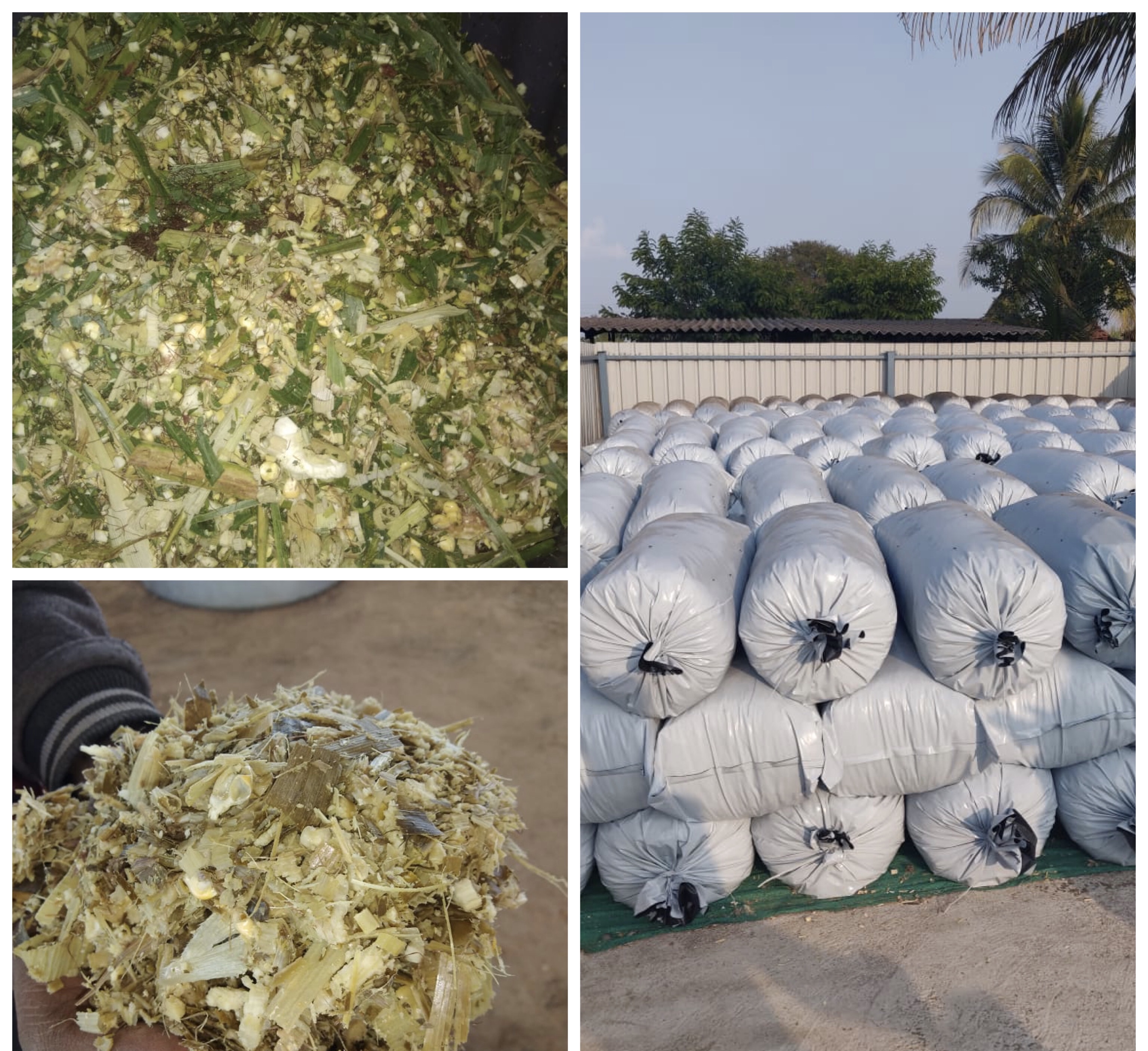
Importance of Quality Feed
The quality of the prepared feed ultimately depends on the quality of the material such as the grain or grass used; the raw material should be of very good quality. Proper nutrition is essential for the health, productivity, and profitability of dairy animals.
Feed management is a critical component of successful dairy farming. A well-balanced diet ensures optimal milk production, better animal health, and improved reproductive performance. At Farcow, we guide farmers on best practices for feed preparation, storage, and feeding schedules.
Key Aspects of Feed Management
- Quality Raw Materials: Selection of high-quality grains, fodder, and supplements
- Balanced Nutrition: Proper ratio of proteins, carbohydrates, minerals, and vitamins
- Green Fodder: Cultivation and use of nutritious green fodder for better digestion
- Silage Preparation: Techniques for preserving fodder during lean seasons
- Feed Storage: Proper storage methods to maintain feed quality and prevent spoilage
- Cost Optimization: Strategies to reduce feed costs while maintaining nutritional standards
Farcow Welfare Society provides training and guidance to farmers on scientific feed management practices that can significantly improve milk yield and animal health, thereby increasing farmer income.